


 Send Inquiry
Epoxy Resin Casting Molds For Dry Type Transformer Use
Price 10000 USD ($)/ Unit
Epoxy Resin Casting Molds For Dry Type Transformer Use Specification
- Power Source
- Electrical
- Heating Method
- Electric Heating Plate or Hot Air Circulation
- Heating Capacity
- Up to 1500C
- Control Mode
- Automatic Digital Temperature Controller
- Condition
- New
- Accuracy
- 1C
- Type
- Epoxy Resin Casting Mold
- Model
- ERCMDT-2024
- Internal Size
- Available in various sizes to fit transformer windings
- External Size
- Customizable as per transformer core dimensions
- Volume
- Tailored to dry type transformer requirements
- Air Flow
- Optional forced air circulation
- Temperature Range
- Room temperature to 150C
- Material
- High-strength steel with epoxy resin coating
- Dimension (L*W*H)
- Custom as per customers mold design
- Power
- 3 kW 10 kW, depending on design
- Voltage
- 220V/380V, 50/60Hz
- Surface Finish
- Polished and anti-stick treated
- Application
- Manufacture of medium and high voltage dry type transformer coils
- Resin Compatibility
- Epoxy, Polyester, and Polyurethane resins
- Safety Features
- Over-temperature shutoff, leakage protection
- Vacuum Compatibility
- Suitable for vacuum resin casting systems
- Mold Life
- Up to 1000 casting cycles with proper maintenance
- Weight
- Varies according to size and customer requirements
- Demolding Method
- Mechanical or hydraulic demolding system
- Color
- Metallic grey or customized upon request
- Production Technique
- High-precision CNC machining and surface polishing
- Core Form Factor
- Available for single phase, three phase, and custom shapes
Epoxy Resin Casting Molds For Dry Type Transformer Use Trade Information
- Minimum Order Quantity
- 1 Unit
- Supply Ability
- 10 Units Per Day
- Delivery Time
- 60 Days
About Epoxy Resin Casting Molds For Dry Type Transformer Use
Purpose of the product: Divided into soft and hard molds, casting mold is used for casting of epoxy dry-type transformer coils and is an essential tool for production of dry-type transformer coils.
Components of the device : The hard mold is composed of outer mold, inner mold, outgoing bar and seal strip.The soft mold is composed of outer mold, inner mold, seal strip, clamping plate and pressing plate.
High Durability and Versatile Compatibility
Built to last, the ERCMDT-2024 casting mold supports up to 1000 cycles under proper upkeep. Its suitable for various resinsincluding epoxy, polyester, and polyurethanemaking it ideal for diverse transformer coil applications. Its design allows for both standard and customized shapes, ensuring flexibility for your manufacturing needs.
Advanced Safety and Precision Controls
Safety is paramount with built-in over-temperature shutoff and leakage protection. The automatic digital temperature controller ensures precise regulation with an accuracy of 1C, supporting temperatures up to 150C. Optional features include forced air circulation for enhanced heating uniformity, tailored for the highest production standards.
FAQs of Epoxy Resin Casting Molds For Dry Type Transformer Use:
Q: How does the epoxy resin casting mold benefit transformer coil production?
A: This mold ensures precise and repeatable coil shapes through high-precision CNC machining and a polished, anti-stick surface. Its compatibility with various resins and core configurations streamlines production, while durable construction supports high-cycle use.Q: What resins are compatible with the ERCMDT-2024 casting mold?
A: The mold is engineered for use with epoxy, polyester, and polyurethane resins, providing manufacturers with flexibility to choose the optimal material for their specific transformer requirements.Q: When should routine maintenance be performed to maximize mold life?
A: Routine maintenance should be conducted after each casting cycle, focusing on cleaning, inspecting the anti-stick surface, and checking for wear. Following the manufacturers guidelines helps achieve the maximum mold lifespan of up to 1000 cycles.Q: Where can the casting mold be utilized?
A: The mold is designed for application in transformer manufacturing facilities, particularly for the production of both medium and high voltage dry type transformer coils. It is suited for both domestic and international transformer markets.Q: What is the process of demolding after casting?
A: Demolding is accomplished through either a mechanical or hydraulic system, depending on setup. These systems ensure safe, efficient removal of finished coils, minimizing product defects and mold wear.Q: How does the mold ensure operator safety during use?
A: Safety features such as over-temperature shutoff and leakage protection are integrated, and an automatic temperature controller minimizes the risk of overheating. These attributes safeguard both personnel and product integrity.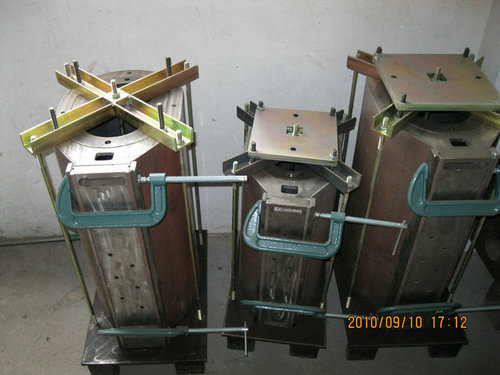

Price:
- 50
- 100
- 200
- 250
- 500
- 1000+

More Products in Transformer Vacuum Equipment Category
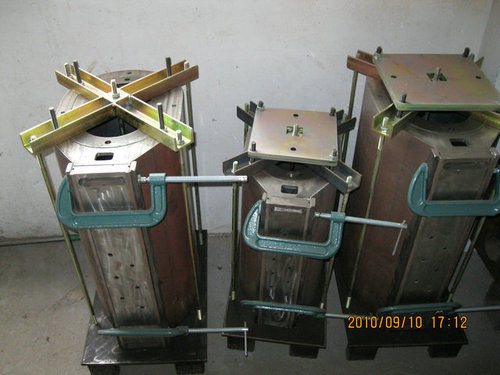
Epoxy Resin Casting Molds For Dry Type Transformer Use
Price 10000 USD ($) / Unit
Minimum Order Quantity : 1 Unit
Model : Epoxy Resin Casting Mold for Dry Transformer
Control Mode : Digital Temperature Control
Voltage : 220 V / 380 V
Condition : New
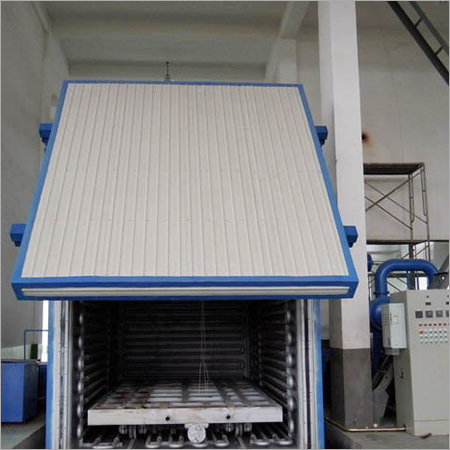
Kerosene vapor-phase drying equipment
Price 10000 USD ($) / Unit
Minimum Order Quantity : 1 Unit
Model : KVPDSeries
Control Mode : PLC/Automatic Control
Voltage : 380V / 415V / Customized
Condition : New
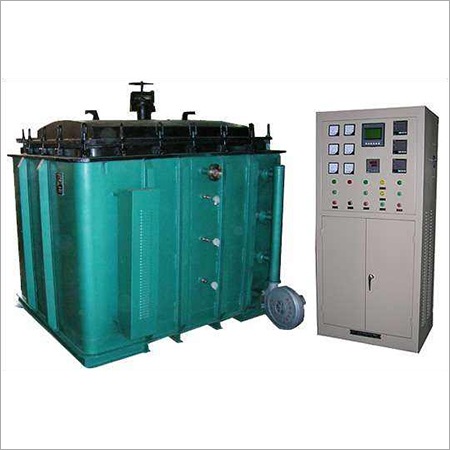
Silicon steel Vertical-load Vacuum Annealing Furnace
Price 10000 USD ($) / Unit
Minimum Order Quantity : 1 Unit
Model : VLVA2000
Control Mode : PID Automatic Control
Voltage : 380 V / 415 V, 3 Phase
Condition : New
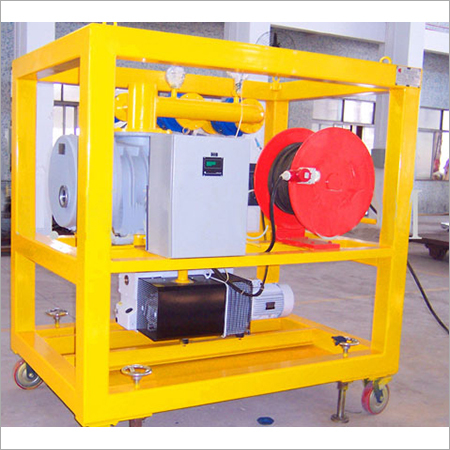
Transformer Movable vacuum pumping unit
Price 10000 USD ($) / Unit
Minimum Order Quantity : 1 Unit
Model : Movable Vacuum Pumping Unit
Control Mode : Automatic / Manual Switch
Voltage : 380V/415V, 3 Phase, 50/60 Hz
Condition : New


 Send Inquiry
Developed and Managed by Infocom Network Private Limited.
