


 Send Inquiry
LV transformer foil winding machine
Price 10000 USD ($)/ Unit
LV transformer foil winding machine Specification
- Product Type
- Foil Winding Machine
- General Use
- For LV Transformer Foil/Strip Winding
- Material
- Copper/Aluminium Foil
- Type
- Automatic Foil Winding Machine
- Weight (kg)
- 1800 kg (approx.)
- Computerized
- Yes
- Automatic
- Fully Automatic
- Control System
- PLC Control with Touch Screen HMI
- Power Source
- Electric
- Power Consumption
- 5-7 kW
- Coil Diameter
- Max. 700 mm
- Winding Head
- Single/Double (customizable)
- Winding Speed
- 1-15 m/min (adjustable)
- Winding Spindle
- Heavy Duty Steel Spindle
- Air Pressure
- 0.6 - 0.8 MPa
- Drive Type
- Servo Motor / Electric Drive
- Voltage
- 380V/415V, 3 Phase
- Dimension (L*W*H)
- 3200 mm x 1700 mm x 1800 mm
- Feature
- Precision Layer Winding, Inter-turn Insulation, Edge Alignment, Digital Counter
- Color
- Industrial Blue & Grey
- Slitting Accuracy
- 0.2 mm
- Decoiler Type
- Hydraulic/Pneumatic Decoiler
- Noise Level
- <70 dB
- Max Foil Width
- 600 mm
- Cutting Unit
- Automatic Foil & Insulation Cutter
- Max Load Capacity
- 800 kg
- Insulation Material Thickness
- 0.02 mm - 0.2 mm
- Application Industry
- Transformer Manufacturing
- Edge Alignment System
- Photoelectric Sensor Guided
- Foil Thickness Range
- 0.2 mm - 3.0 mm
- Tension Control
- Automatic Tension Controller
LV transformer foil winding machine Trade Information
- Minimum Order Quantity
- 1 Unit
- Supply Ability
- 10 Units Per Month
- Delivery Time
- 60 Days
About LV transformer foil winding machine
Instruction
The BRJ winding machine is designed to wind LV transformer coils with one or two foils made of cooper or aluminum.
Technology data (BRJ-500)
| General | |
| Dimension LWH | 3800*2500*2000mm |
| Weight | 4000kg |
| Power supply | 3220(380)(415)V 50(60)HZ |
| Winding | |
| Max.Width | 600mm |
| Max.diameter | 700mm |
| Max.weight | 1500 KG |
| Mandrel | |
| Mandrel rotation speed | 030 r/min |
| Mandrel torque | 10000NM |
| Conductor (Cu or Al) | |
| Max Foil Width | 500 mm |
| Cu foil thickness | 0.5~2.5mm |
| Al foil thickness | 0.2~2.5mm |
| Tension | 5000 N.M |
| Number of conductor foils | 1 or 2 |
| Insulation Layer | |
| Max. Width | 650 mm |
| Diameter | 74 mm--400 mm |
Advanced Control for Precision Winding
Equipped with PLC control and a user-friendly touch screen HMI, the LV transformer foil winding machine ensures streamlined operation and top-notch accuracy. The automatic tension controller and photoelectric sensor-guided edge alignment system further optimize coil quality, minimizing human error and maximizing repeatability.
Robust Design for Demanding Manufacturing
Built to handle copper and aluminium foils, this machines heavy-duty steel spindle and sturdy frame can manage loads up to 800 kg and winding coils up to 700 mm diameter. Its industrial blue and grey design underscores its reliability for continuous transformer production and high-volume output.
Safety, Efficiency, and Versatility
Operating at noise levels below 70 dB and powered by 380V/415V, three-phase electricity, the winding machine offers a safe, efficient, and quiet working environment. Its fully automatic process, customizable winding heads, and precise foil slitting (0.2 mm accuracy) allow for versatile, high-quality coil manufacturing.
User-Friendly and Adaptable
The intuitive touch screen HMI allows operators to adjust winding speed (1-15 m/min), select foil material, and monitor operational status easily. Its integration of automated cutting, slitting, and insulation handling simplifies coil winding tasks and reduces manual labor significantly.
FAQs of LV transformer foil winding machine:
Q: How does the automatic tension controller benefit the winding process?
A: The automatic tension controller maintains consistent foil tension throughout the winding process, enhancing coil uniformity and preventing material stretching or breakage. This feature significantly improves the precision and quality of each transformer coil.Q: What materials can be used with this foil winding machine?
A: The machine is designed to handle both copper and aluminium foils within the thickness range of 0.2 mm to 3.0 mm, making it adaptable for various low voltage transformer designs.Q: When should the machines cutting unit be used during operation?
A: The automatic foil and insulation cutter engages as needed during production, providing precise and clean cuts for both foil and inter-turn insulation, which helps streamline changeovers and ensure consistent insulation placement.Q: Where is this machine typically used?
A: This foil winding machine is predominantly employed in transformer manufacturing plants, particularly for producing low voltage windings with high accuracy and repeatability.Q: What is the process of starting a winding cycle using this machine?
A: Operators set the parameters via the touch screen HMI, load foil and insulation materials onto the hydraulic/pneumatic decoilers, and initiate the fully automatic cycle. The machine then manages decoiling, tensioning, winding, slitting, and cutting until the programmed coil is complete.Q: How does the photoelectric edge alignment system work?
A: The photoelectric sensor continuously monitors the foils edge, making real-time adjustments to the material position. This ensures precise edge alignment and layer winding accuracy, minimizing defects and material waste during coil production.Q: What are the main advantages for manufacturers using this machine?
A: Manufacturers benefit from highly automated, precise, and efficient coil production with minimal manual intervention. The machine increases productivity, ensures product consistency, and reduces both operational noise and labor costs, making it ideal for high-output transformer manufacturing.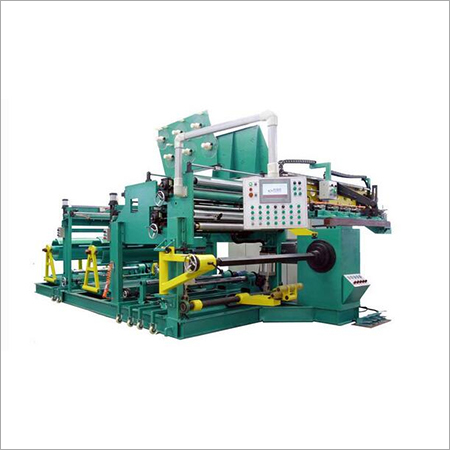

Price:
- 50
- 100
- 200
- 250
- 500
- 1000+

More Products in Transformer Winding Machine Category
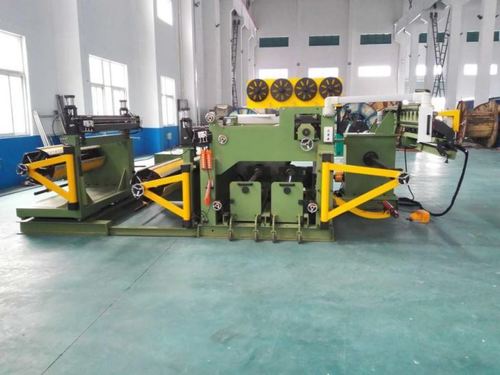
Foil Winding Machine Professional In Transformer
Price 10000 USD ($) / Unit
Minimum Order Quantity : 1 Unit
Computerized : Yes
Weight (kg) : 35005200 kg
Material : Other, Stainless Steel & Mild Steel
Air Pressure : 0.5 0.7 MPa
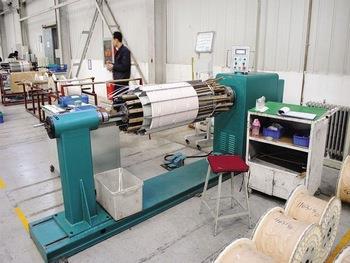
High Voltage Coil Winding Machine With Auto Wire And Paper Arrangement
Price 10000 USD ($) / Unit
Minimum Order Quantity : 1 Unit
Computerized : Yes
Weight (kg) : 1450 kg
Material : Other, Mild Steel
Air Pressure : 6 kg/cm
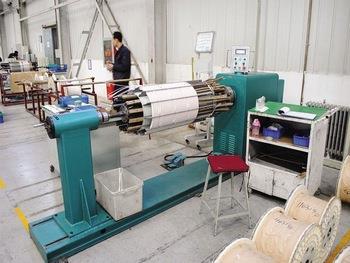
High Voltage Coil Winding Machine With Auto Wire And Paper Arrangement
Price 10000 USD ($) / Unit
Minimum Order Quantity : 1 Unit
Computerized : Yes
Weight (kg) : Approx. 1200
Material : Other, MS/Aluminum Structure with Hardened Components
Air Pressure : 68 kg/cm2
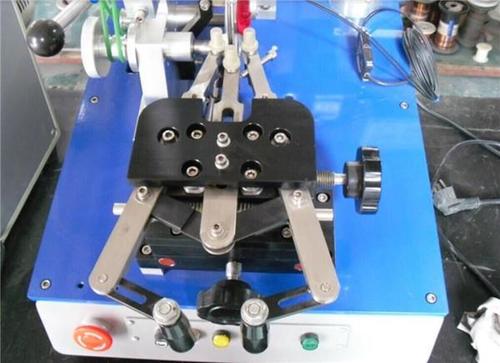
Toroidal Winding Machine
Price 10000 USD ($) / Unit
Minimum Order Quantity : 1 Unit
Computerized : Yes
Weight (kg) : Approx. 300 kg
Material : Other, Mild Steel Body
Air Pressure : 0.50.8 MPa


 Send Inquiry
Developed and Managed by Infocom Network Private Limited.
