


 Send Inquiry
Epoxy Resin Casting Molds For Dry Type Transformer Use
Price 10000 USD ($)/ Unit
Epoxy Resin Casting Molds For Dry Type Transformer Use Specification
- Heating Capacity
- Up to 5000 W
- Accuracy
- 2C
- Heating Method
- Electric Heating
- Power Source
- Electric
- Control Mode
- Digital Temperature Control
- Condition
- New
- Type
- Mold for Dry Type Transformer Coil Casting
- Model
- Epoxy Resin Casting Mold for Dry Transformer
- Internal Size
- 520 x 380 x 340 mm
- External Size
- 580 x 440 x 380 mm
- Volume
- 67 Liters
- Air Flow
- Natural Convection
- Temperature Range
- 50C - 180C
- Material
- High-grade Steel and Silicone Rubber
- Dimension (L*W*H)
- 580 x 440 x 380 mm
- Power
- 5 kW
- Voltage
- 220 V / 380 V
- Surface Finish
- Smooth, Mirror-polished
- Sealing Method
- High-resistance silicone sealing to withstand vacuum
- Life Expectancy
- 200+ cycles under normal operation
- Mold Application
- Epoxy resin vacuum pressure gel casting for dry type transformer LV/HV coils
- Customization
- Custom size, cavity, and shape available on request
- Mold Structure
- Multi-piece sectional, easy demoulding design
- Resistance to Chemicals
- High resistance to acids, alkalis, casting resins
- Operating Environment
- Applicable in both automated and manual casting setups
- Relevant Standards
- Compliant with ISO 9001:2015 & IEC transformer casting guidelines
- Color
- Polished steel with optional colored silicone ends
Epoxy Resin Casting Molds For Dry Type Transformer Use Trade Information
- Minimum Order Quantity
- 1 Unit
- Supply Ability
- 10 Units Per Day
- Delivery Time
- 60 Days
About Epoxy Resin Casting Molds For Dry Type Transformer Use
Divided into soft and hard molds, casting mold is used for casting of epoxy dry-type transformer coils and is an essential tool for production of dry-type transformer coils.
Components of the device
The hard mold is composed of outer mold, inner mold, outgoing bar and seal strip.The soft mold is composed of outer mold, inner mold, seal strip, clamping plate and pressing plate.
Main technical parameters of Casting mold of dry-type transformers
| Soft mold (hard mold) | Soft mold (hard mold) | Hard mold |
| 100KVA/10KV | 2000KVA/10KV | 12500KVA/35KV |
| 315KVA/10KV | 2500KVA/10KV | 16000KVA/35KV |
| 400KVA/10KV | 2000KVA/35KV | 20000KVA/35KV |
| 500KVA/10KV | 3150KVA/35KV |
|
| 630KVA/10KV | 4000KVA/35KV |
|
| 800KVA/10KV | 6300KVA/35KV |
|
| 1000KVA/10KV | 8000KVA/35KV |
|
| 1600KVA/10KV | 10000KVA/35KV |
|
| Detailed dimensions shall be designed according to the coil size of the user. | ||
Functional features
- It is designed according to the casting requirements of the user and the user only need to provide the coil size.
- The soft mold is designed properly with convenient use.
- Stainless steel guarantees the casting quality.
- Short processing cycle guarantees the delivery time of the user.
- With obvious reduction in cost compared with former hard mold, soft mold is suitable for small batch production of transformers
Efficient Coil Casting for Transformers
Engineered for both LV and HV transformer coils, the molds vacuum pressure gel casting application ensures consistent resin distribution and minimal defects. The multi-piece sectional structure allows quick assembly and straightforward demoulding, optimizing the production workflow for dry-type transformers.
Reliable and Durable Mold Construction
Manufactured from high-grade steel and silicone rubber, this casting mold exhibits excellent durability with over 200 operational cycles. Its mirror-polished finish combined with silicone sealing prevents leaks, withstands vacuum pressure, and resists acids and alkalis for long-lasting performance in industrial environments.
Customization & Compliance
Available in customized sizes, cavities, and shapes, the mold caters to specific transformer design needs. It meets ISO 9001:2015 and IEC standards, ensuring safe and quality-assured transformer casting processes. Customers can also opt for colored silicone ends to match facility requirements.
FAQs of Epoxy Resin Casting Molds For Dry Type Transformer Use:
Q: How do I use the epoxy resin casting mold for dry-type transformer coils?
A: To use the mold, prepare the LV or HV coil, secure it inside the multi-piece mold, apply the high-resistance silicone seal, and introduce epoxy resin under vacuum pressure gel casting. Electric heating with digital temperature control ensures precise curing and optimal results.Q: What benefits does the multi-piece sectional mold structure offer?
A: This structure provides easy demoulding, faster assembly, and facilitates mold handling during both manual and automated casting. It reduces production downtime and risk of damage, resulting in higher yield and safer operations.Q: When should the molds silicone sealing be checked or replaced?
A: Silicone seals should be inspected after every casting cycle, and replaced if any loss in vacuum resistance or visible wear is apparent. Proper maintenance ensures vacuum integrity and extends mold lifecycle beyond 200 cycles.Q: Where can this epoxy resin casting mold be operated?
A: The mold is suitable for both manual and automated casting setups in transformer manufacturing plants, research facilities, and prototyping centers across India and abroad, thanks to its versatile design and compliance with international standards.Q: What processes can be customized in the mold application?
A: Customers may request alterations to mold cavity size, shape, number of cavities, or external dimensions. Colored silicone ends and surface finishes are also customizable to meet specific transformer coil requirements or facility preferences.Q: Is the mold resistant to aggressive casting resins and chemicals?
A: Yes, the molds high-grade steel frame and silicone rubber components offer exceptional resistance to acids, alkalis, and various casting resins, ensuring longevity and consistent performance in demanding casting environments.Q: What is the main advantage of digital temperature control in this mold?
A: Digital temperature control enables accurate heating (2C), supporting epoxy curing between 50C and 180C. This results in reliable casting quality, reduced material waste, and compliance with transformer manufacturing standards.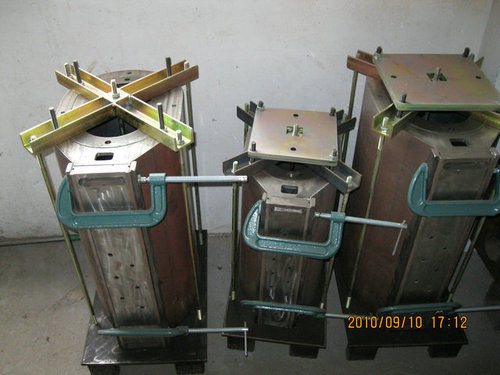

Price:
- 50
- 100
- 200
- 250
- 500
- 1000+

More Products in Transformer Vacuum Equipment Category
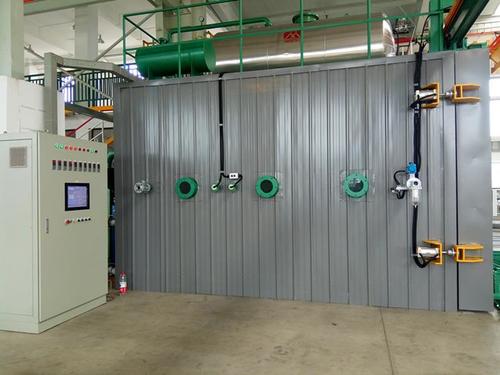
Power Transformer Vacuum Drying Furance Manufacturing
Price 10000 USD ($) / Unit
Minimum Order Quantity : 1 Unit
Heating Capacity : Up to 140 KW
Voltage : 380 V / 415 V
Model : PTVDF6000
Accuracy : 2C
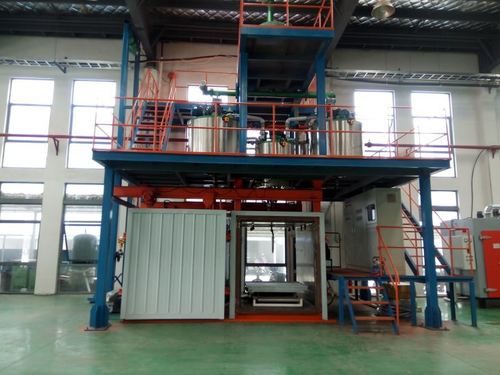
Epoxy Resin Vacuum Casting Forming Equipment For Dry Type Transformer And CT PT Production
Price 10000 USD ($) / Unit
Minimum Order Quantity : 1 Unit
Heating Capacity : 30 kW
Voltage : 380V / 50Hz
Model : ERVC1600
Accuracy : 1C
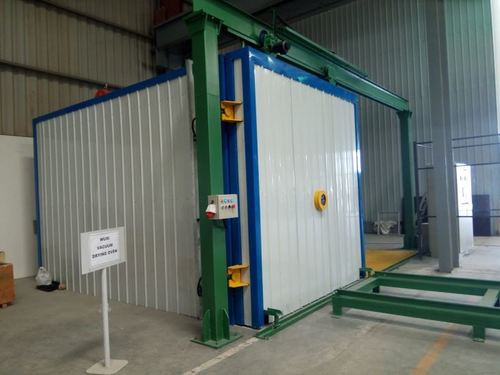
Industrial Vacuum Drying Oven Heating By Gas Burner For Transformer Drying
Price 10000 USD ($) / Unit
Minimum Order Quantity : 1 Unit
Heating Capacity : Up to 500 kW (configurable)
Voltage : 380 V / 415 V / 3 Phase
Model : IVDOGBT Series
Accuracy : 1C
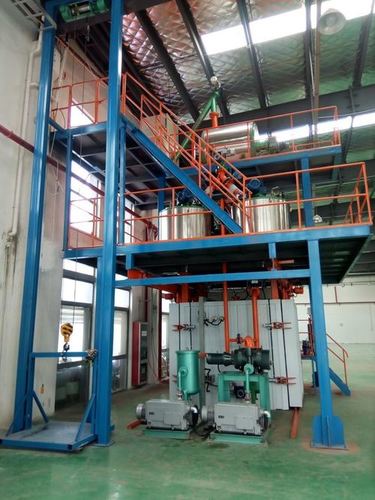
Dry-Type Transformer Vacuum Epoxy Resin Casting Plant
Price 10000 USD ($) / Unit
Minimum Order Quantity : 1 Unit
Heating Capacity : 12 kW
Voltage : 380V / 415V, 3 Phase
Model : VERC1500
Accuracy : 2C


 Send Inquiry
Developed and Managed by Infocom Network Private Limited.
