


 Send Inquiry
Vacuum Drying Oven Furnace Or Chamber For Transformer Reactor Etc Production
Price 10000 USD ($)/ Unit
Vacuum Drying Oven Furnace Or Chamber For Transformer Reactor Etc Production Specification
- Heating Method
- Electric heating elements
- Condition
- New
- Power Source
- Electric
- Heating Capacity
- Up to 180C or as required
- Control Mode
- Digital PID Controller with programmable settings
- Accuracy
- 2C
- Type
- Vacuum Drying Oven/Furnace
- Model
- Vacuum Drying Oven Chamber-FR01
- Internal Size
- Customizable, typically 1500 x 1000 x 1200 mm or as required
- External Size
- Customizable as per production requirement
- Volume
- 1000 L / 1200 L / 2000 L or customized
- Air Flow
- Uniform air circulation under vacuum
- Temperature Range
- Ambient to 180C (standard), higher on request
- Material
- SS304/SS316 inner chamber, powder coated MS exterior
- Dimension (L*W*H)
- Depends on model and internal/external size
- Power
- 12 kW (typical), customizable
- Voltage
- 380V/415V, 3 Phase or as specified
- Surface Finish
- Mirror or matt finish, anti-corrosive coating
- Optional Accessories
- Vacuum pump, recording system, shelves
- Vacuum Level
- Less than 0.133 mbar (High Vacuum)
- Application
- Transformer, Reactor, Electrical Equipment Drying
- Chamber Door
- Single-leaf, strong sealing with silicone gasket
- Display
- Digital temperature and vacuum indicator
- Insulation Thickness
- 100 mm High-density ceramic wool
- Cycle Time
- Adjustable; depends on material and load
- Weight
- Approximately 1800 kg
- Safety Feature
- Over-temperature protection, vacuum interlock
- Vacuum Connections
- 1 in. Standard flange
- Heating Uniformity
- ±2°C
- Internal Lighting
- Yes
Vacuum Drying Oven Furnace Or Chamber For Transformer Reactor Etc Production Trade Information
- Minimum Order Quantity
- 1 Unit
- Supply Ability
- 10 Units Per Day
- Delivery Time
- 60 Days
About Vacuum Drying Oven Furnace Or Chamber For Transformer Reactor Etc Production
Vacuum Drying Oven furnace or chamber for transformer reactor etc production
Description
The vacuum drying furnace is designed for drying the parts and elements of transformers, reactor and related electrical products. The equipment adopts variable pressure drying principle suggested by Dr. Moll from Germany; it can save about 30-45% time of drying compared with conventional vacuum drying system. Rectangle and round tank can be option according to the production need.
Applications:
- 10-110KV/100MVA level transformer body drying
- 110-500KV level transformer winding drying
- 110-1000KV level current/voltage reactor body drying
- Capacitor drying
- Other electrical material drying
Characteristics:
- Advanced heating principle, high production efficiency with good quality
- Variable pressure with heating temperature ensure smooth drying condition
- Modular design, PLC automatic control with touch screen operation
- Convenient operating with complete parameter indicating, recording and alarm
Superior Vacuum Drying for Electrical Applications
Designed for transformer, reactor, and electrical equipment manufacturing, this vacuum drying oven ensures thorough moisture removal at high vacuum levels below 0.133 mbar. The digital PID controller offers precise and programmable temperature management ideal for insulation drying, increasing product reliability and service life.
Customizable and Safe Operation
With customizable chamber sizes and power capacity, the oven adapts to diverse load requirements. Over-temperature protection, vacuum interlocks, and a strong silicone-sealed single-leaf door enhance operational safety, while high-density ceramic wool insulation ensures efficient energy use.
Flexible and User-Friendly Design
Internal lighting, digital temperature and vacuum display, and options like shelves and recording systems provide ease of use. Uniform air circulation under vacuum and mirror or matt anti-corrosive finishes safeguard both drying quality and long-term durability of the chamber.
FAQs of Vacuum Drying Oven Furnace Or Chamber For Transformer Reactor Etc Production:
Q: How does the vacuum drying oven for transformers achieve uniform heating during operation?
A: The oven employs electric heating elements and a digital PID controller, maintaining precise and uniform temperatures with an accuracy and uniformity of 2C. Insulation using 100 mm high-density ceramic wool minimizes heat loss, while uniform air circulation under vacuum ensures even drying throughout the chamber.Q: What are the primary applications of the Vacuum Drying Oven Chamber-FR01?
A: The oven is mainly used for drying and heat treatment of transformers, reactors, and various electrical components. Its high-vacuum environment is crucial for effective moisture removal and insulation enhancement in sensitive equipment manufacturing.Q: When should high vacuum drying be used in electrical equipment production?
A: High vacuum drying is recommended before final assembly or insulation testing of transformers and reactors, especially when thorough moisture elimination is essential to prevent dielectric breakdown and ensure optimal performance and longevity of electrical devices.Q: Where can the oven be installed, and are the dimensions customizable?
A: The oven is suitable for transformer and electrical equipment manufacturing facilities, testing labs, and repair workshops. Both internal and external chamber sizes, as well as power capacity, can be customized to meet specific production requirements.Q: What is the typical process of operating the vacuum drying oven?
A: The process involves loading materials onto shelves, sealing the single-leaf door with strong silicone gaskets, and programming the desired temperature and vacuum level via the digital PID controller. After the cycle, parameters can be reviewed with optional recording systems, ensuring drying quality and traceability.Q: How does using this vacuum drying oven benefit production efficiency?
A: This oven reduces cycle times and improves drying consistency, which minimizes equipment failure risks and increases throughput. The robust construction, safety features, and customized options streamline workflow and make maintenance straightforward, delivering long-term operational savings.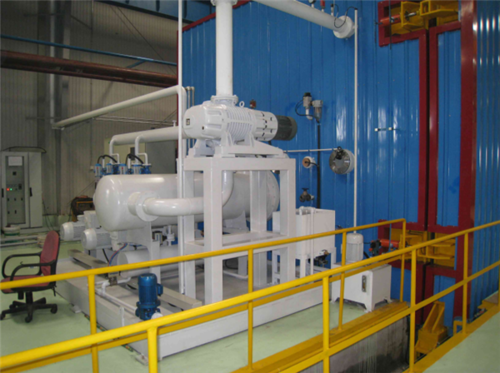

Price:
- 50
- 100
- 200
- 250
- 500
- 1000+

More Products in Transformer Vacuum Equipment Category
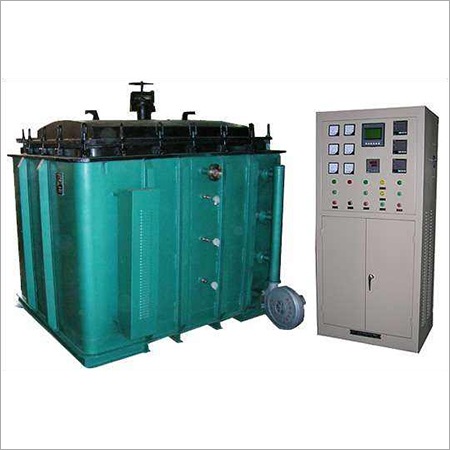
Silicon steel Vertical-load Vacuum Annealing Furnace
Price 10000 USD ($) / Unit
Minimum Order Quantity : 1 Unit
Voltage : 380 V / 415 V, 3 Phase
Control Mode : PID Automatic Control
Power : 120 kW
Volume : 11 m
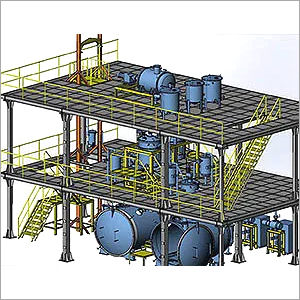
full automatic vacuum casting machine for epoxry resin dry-type transformers
Price 10000 USD ($) / Unit
Minimum Order Quantity : 1 , , Unit
Voltage : 380V/415V; 3 Phase 50/60Hz
Control Mode : PLC FullAutomatic Control, HMI Touch Screen Interface
Power : Total installed: 100 kW
Volume : 8000 Liters (customizable)
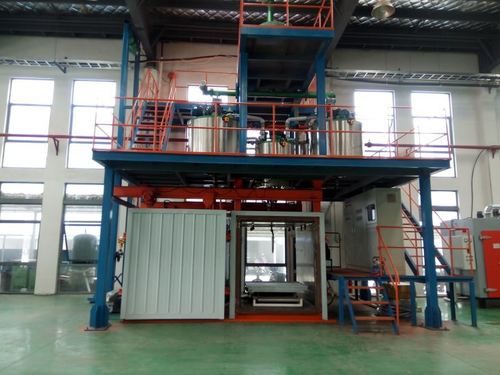
Epoxy Resin Vacuum Casting Forming Equipment For Dry Type Transformer And CT PT Production
Price 10000 USD ($) / Unit
Minimum Order Quantity : 1 Unit
Voltage : 380V / 50Hz
Control Mode : PLC Automatic Control
Power : Total 38 kW
Volume : Approx. 2.5 m
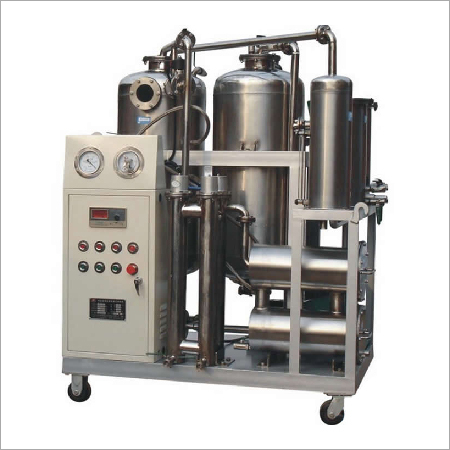
Transformer oil vacuum treatment equipment
Price 10000 USD ($) / Unit
Minimum Order Quantity : 1 Unit
Voltage : 380V, 50Hz
Control Mode : Automatic
Power : 10 kW
Volume : 1000 Liters/hour


 Send Inquiry
Developed and Managed by Infocom Network Private Limited.
